I have accepted the task of tutoring 4th, 5th, and 8th grade students one on one at my home and theirs. I tutor a total of 5 students to prepare them for the Georgia Milestones and to practice for the upcoming school year. In Multiplication is for White People, Lisa Delpit says, "vocabulary development is one of the most powerful paths to literacy, especially for children who do not have access to the middle-class vocabulary that schools expect" (pg 68). Literacy is a concept I can work on across all of the grade levels. It's not taught very well in school and many African American students are struggling readers. During my tutoring sessions, maybe not all in one day, but I utilize integration, repetition, and meaningful use as described in the book. Integration
is connecting new vocabulary to prior knowledge. Repetition
is encountering or using the word or concept many times. Meaningful use,
uses multiple opportunities to use new words in reading, writing, and discussion. (pg 68)
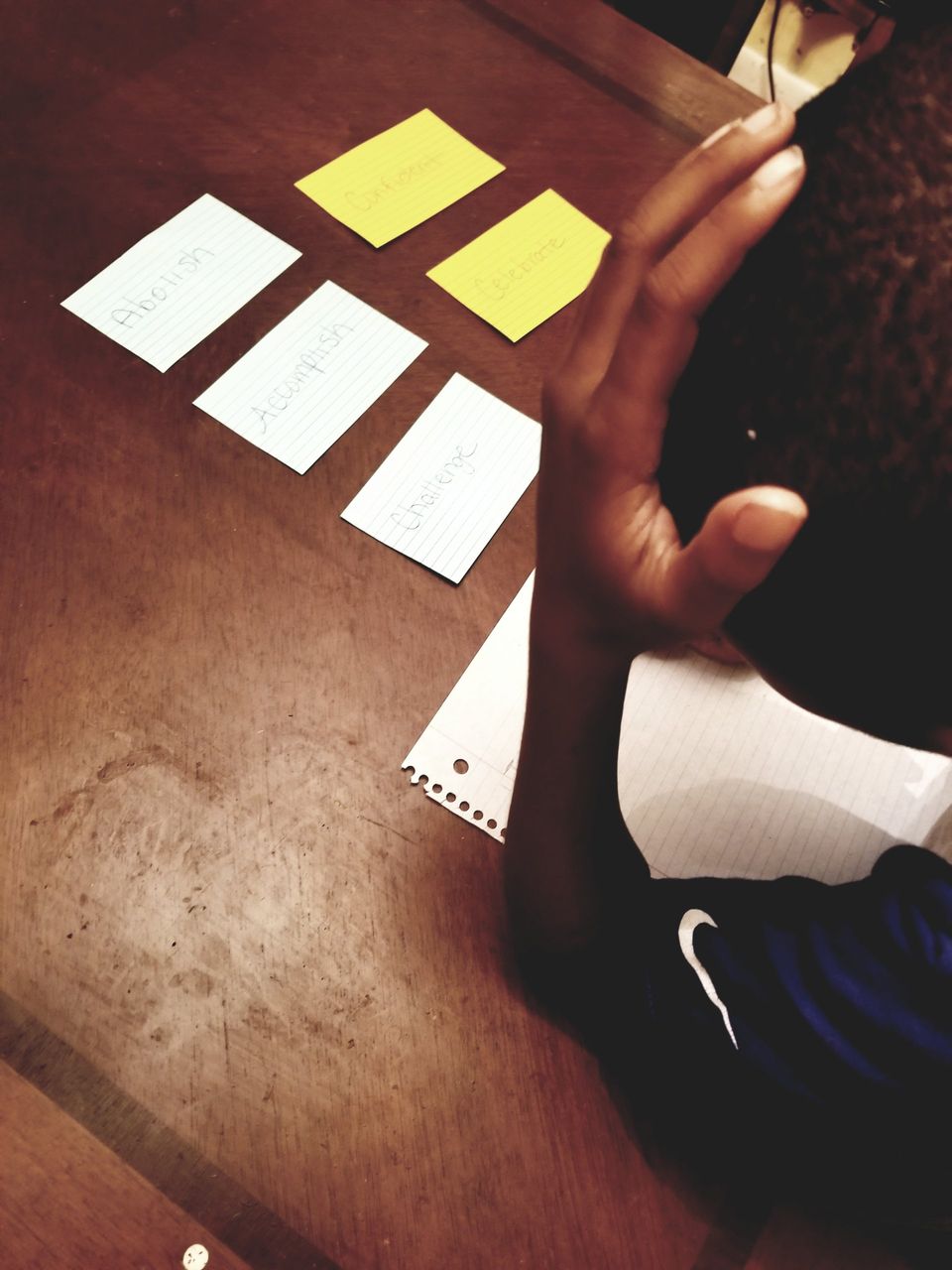
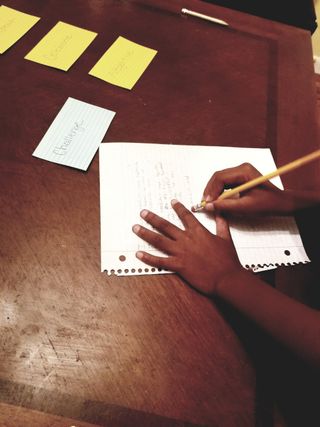
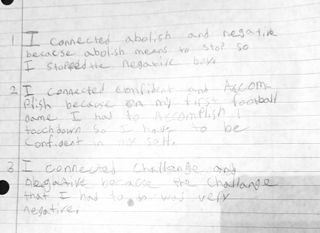
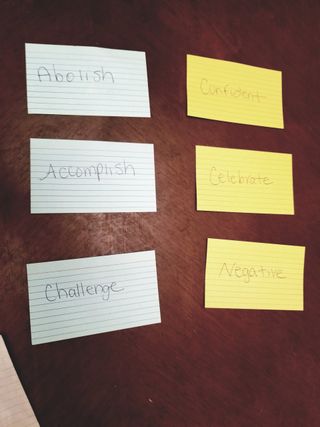
Too many educators claim to be “colorblind” (Bonilla-Silva, 2003) and insist that they want to work effectively with Black students, but in reality, engage in practices that are driven by low expectations (Delpit, 1995; Landsman, 2004). I wanted to ensure I challenge my students no matter how far behind they were academically. Students learn words through reading different material. However, they can also learn through direct instruction. One strategy I used to increase vocabulary, was called Connect Two. The student received 6 words that were on his grade level. 3 words were on blue index cards and 3 were on yellow cards. I instructed him to read each word aloud and asked did he know all of the words. He said he was not familiar with the word "abolish" and asked me could I tell him what it meant. I said no, I want you to figure it out.
So, I used integration
by connecting his prior knowledge. I know the prior year, they studied the Civil War. So, I used the word in a sentence. "The government will abolish slavery" in a sentence. He then came to the conclusion that abolish means to stop. Next, he had to make connections between a word on the blue list and a word on the yellow list and explain the reason for the connection he made in written form. In the beginning of the assignment, he said it seemed hard and he didn't think he could relate them because they were so different. He initially asked for me to do one for him. I considered it, however, I wanted him to be able to think critically for himself. I didn't want to underestimate his level of thinking. So, I told him to just give himself a minute to think. He did, and he made the connections without help.
The other strategy I used was the Concept Map. This was a word association activity as well. It's type of graphic organizer used to help students organize and represent knowledge of a certain topic. It allows students to structures their thoughts to understand a subject on a deeper or different level. The student was to watch a Brain pop video and write (in particular order) words that stand out to him the most. Then, he needed to draw lines connecting words that he relate to one another. Next, he needed to orally tell me the connections the words make and explain the connection. I incorporated meaningful use
by instructing the student to use the word in a discussion after writing it down.
This was the first time this student had done the concept map, so naturally he had some reservations about it. He didn't quite know what words to write and wanted me to stop the video so he could write. However, I didn't, I just instructed him to try his best and he completed it successfully.